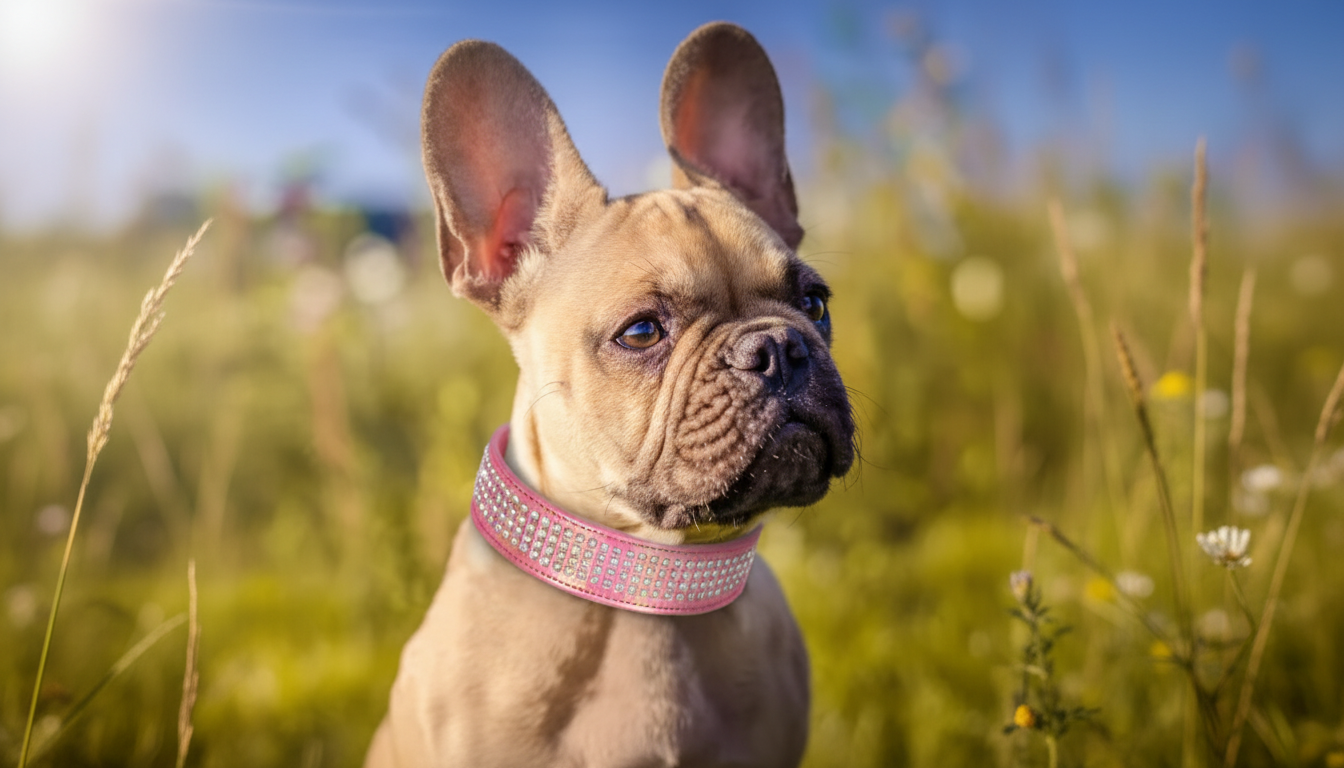
A rhinestone-studded collar can add a polished look without sacrificing everyday practicality. The best options balance shine with comfort, strong hardware, and a fit that stays secure on neighborhood walks, at meetups, and during daily wear. For medium and large dogs, details like collar width, smooth lining, and a solid D-ring matter just as much as the sparkle. For more guidance, see Live insect jewelry – Wikipedia.
What Makes a Rhinestone Collar Comfortable Enough for Daily Wear
Comfort starts with what touches your dog’s neck. Even a gorgeous collar won’t get used if it snags fur or creates hot spots after a short walk. For further reading, see [PDF] AUTHOR TITLE REPORT NO PUB DATE AVAILABLE FROM … – ERIC.
- Smooth inner surface: Look for a lining or interior finish that feels even and won’t grab hair during movement, especially around the throat area.
- Softened edges: Rounded or gently finished edges reduce friction—helpful for both short-haired breeds (less “padding” from fur) and thick-coated breeds (more movement and rubbing).
- Appropriate width for bigger dogs: Medium and large dogs often do better with a wider collar because it can distribute pressure more evenly than a narrow strap.
- Decoration stays on the outside: Rhinestones and settings should sit on the exterior surface so they don’t press into the skin or create pressure points.
A quick test: run your fingers along the inside of the collar and then flex it gently. If you feel sharp edges, rough seams, or stiff corners, it may be better suited for short photo sessions than for everyday wear.
Fit and Sizing: Getting a Secure, Not-Tight Collar
A sparkly collar should still function like a real walking collar—secure enough to prevent slipping, but never tight enough to restrict breathing or rub the skin.
- Measure where the collar naturally rests: Use a soft tape measure around the neck at the position you’d normally buckle a collar. If your dog has thick fur, press lightly through the coat so you’re measuring the neck, not just fluff.
- Use the two-finger rule: For most medium and large dogs, two fingers should slide comfortably between collar and neck when fastened.
- Keep the buckle positioned well: Once fitted, the buckle should sit centered enough that the collar doesn’t constantly rotate during a walk.
- Re-check after changes: Grooming, seasonal coat shifts, and weight changes can all affect fit. A collar that fit perfectly in winter can become loose in summer.
Quick Sizing and Fit Checklist
| Step |
What to Do |
What to Avoid |
| Measure |
Wrap tape around the neck where the collar sits; note the measurement |
Measuring too low on the neck like a loose necklace |
| Add comfort space |
Aim for the two-finger gap when fastened |
Leaving it tight enough to indent fur or skin |
| Check stability |
Walk the dog and see if the collar rotates or slides over the head |
Assuming a pretty collar doesn’t need a movement test |
| Review regularly |
Re-check monthly and after grooming/weight changes |
Keeping the same notch forever without reassessment |
Durability: Keeping the Sparkle Without Constant Repairs
Rhinestones can look luxurious, but daily life is tough on details—especially for dogs that love to run, roll, and investigate every bush.
Safety Notes: Leash Attachment, ID Tags, and When to Skip a Decorative Collar
- Confirm leash clip clearance: The leash clip should sit fully on the D-ring and not press into the neck when the leash is taut. If the clip crowds the ring, consider using a different leash clasp style.
- Manage ID tag “impact”: Tags that constantly bang into rhinestones can cause noise, surface scuffs, and gradual loosening. If needed, use a quieter tag silencer or position tags so they hang more freely.
- Skip it for unsupervised crate time when snagging is possible: Collars can catch on crate wires. When appropriate for your dog and situation, consider a safer alternative for crating. General collar safety guidance is available from the American Kennel Club.
- Watch for irritation: If you notice redness, hair thinning, or frequent scratching at the collar line, pause use and switch to a softer option until the skin recovers.
For identification, pairing tags with microchipping adds an extra layer of security; the ASPCA’s overview of microchipping and ID is a helpful reference.
Care and Cleaning: Simple Habits That Preserve Shine
A Sparkly Option for Medium and Large Dogs
Featured Products
FAQ
Can a rhinestone dog collar be used for everyday walks?
Yes, if the collar fits correctly, feels smooth against the neck, and uses sturdy hardware. For rough play or heavy outdoor activity, rotating with a rugged backup collar can help extend the rhinestones’ lifespan.
How tight should a dog collar be on a medium or large dog?
A common guideline is the two-finger rule: when fastened, two fingers should slide comfortably between the collar and the dog’s neck. If the coat is very thick or the collar rotates excessively, adjust for a more secure (but still comfortable) fit.
How do you clean a rhinestone dog collar without ruining it?
Use a soft damp cloth for gentle wipe-downs, avoid soaking, skip harsh soaps, and let it air-dry fully. Spot-clean around stones to reduce the chance of loosening over time.
Recommended for you



Leave a comment